Macroeconomy
- Short Term: Monitoring global and domestic macroeconomic indicators.
- Medium to Long Term: Addressing productivity challenges and pursuing structural reforms.

The National Economic Council holds a central role in reviewing strategic programs that serve as Presidential priorities, from strengthening food security to advancing digital government transformation. Each initiative is designed to accelerate development and improve the welfare of Indonesians.
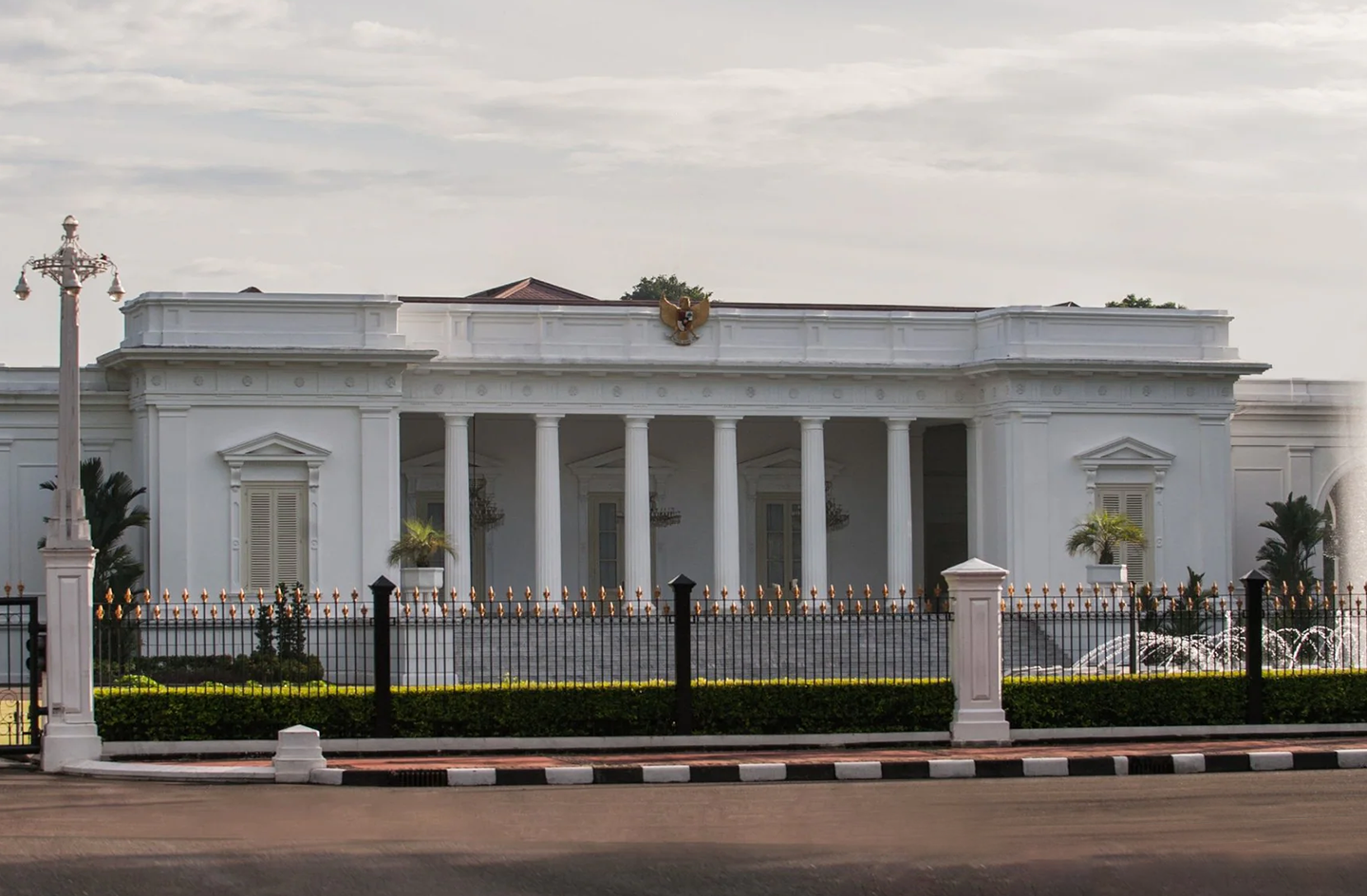
Strengthening the ideology of Pancasila, democracy, and human rights.
Advancing national defense systems and promoting self-sufficiency through food, energy, water, and resource security, while fostering creative, green, and blue economies.
Creating more decent job opportunities, fostering entrepreneurship, developing the creative industry, and supporting infrastructure development.
Advancing human capital development through science, technology, education, health, sports achievement, gender equality, and empowerment of women, youth, and persons with disabilities.
Driving downstream industries and industrialization to increase domestic value creation and competitiveness.
Promoting inclusive growth by developing villages and rural areas as engines of equitable economic progress.
Deepening reforms in politics, law, and bureaucracy, as well as strengthening efforts to prevent and eradicate corruption and drug abuse.
Fostering social harmony with culture, nature, and the environment, while advancing interfaith tolerance to build a just and prosperous society.